When booking a city break, most of us instinctively search for accommodation as close to the centre as possible. But being five minutes from the main square is not always better than being fifteen minutes away.
That is the idea behind the 15-minute rule.
Before booking the most central hotel you can afford, move your search slightly outward and compare what the same budget gets you within roughly 15 minutes on foot, by metro or by tram.
Very often, those extra ten minutes can mean a better room, a quieter street and a neighbourhood that feels much more local.
In this story
Central does not always mean convenient
A hotel can be described as “central” and still be inconvenient for the trip you are actually planning.
You may be close to the main square but 25 minutes from the railway station, the museum you want to visit or the neighbourhood where you plan to spend your evenings.
Before booking, save three or four important places on Google Maps and look at the area between them.
That is often a much better indication of where you should stay than simply searching around the biggest tourist attraction.
Ten extra minutes can make a big difference
Moving slightly outside the busiest tourist zone can completely change what your budget buys.
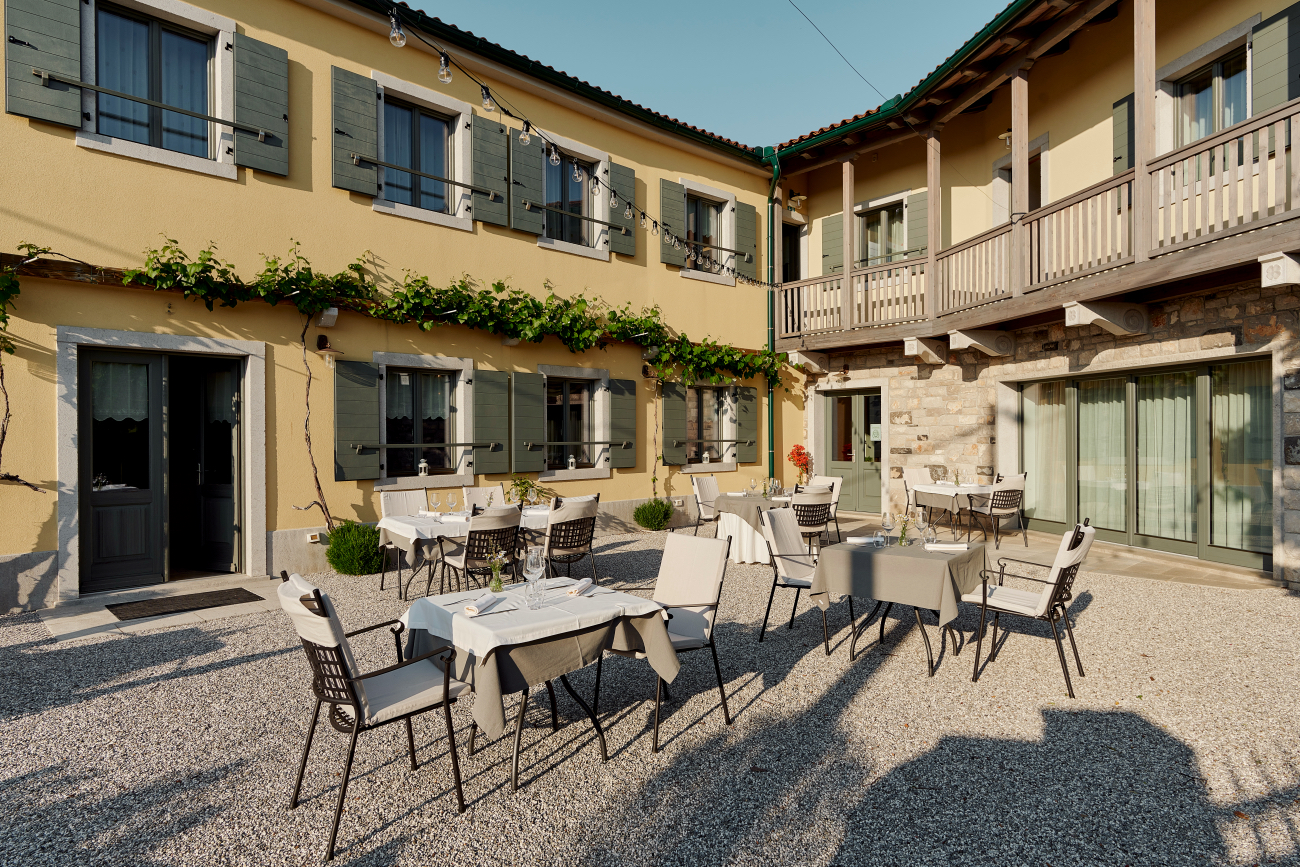
Instead of a tiny room on a noisy pedestrian street, you might find a larger hotel, apartment or guesthouse in a quieter neighbourhood.
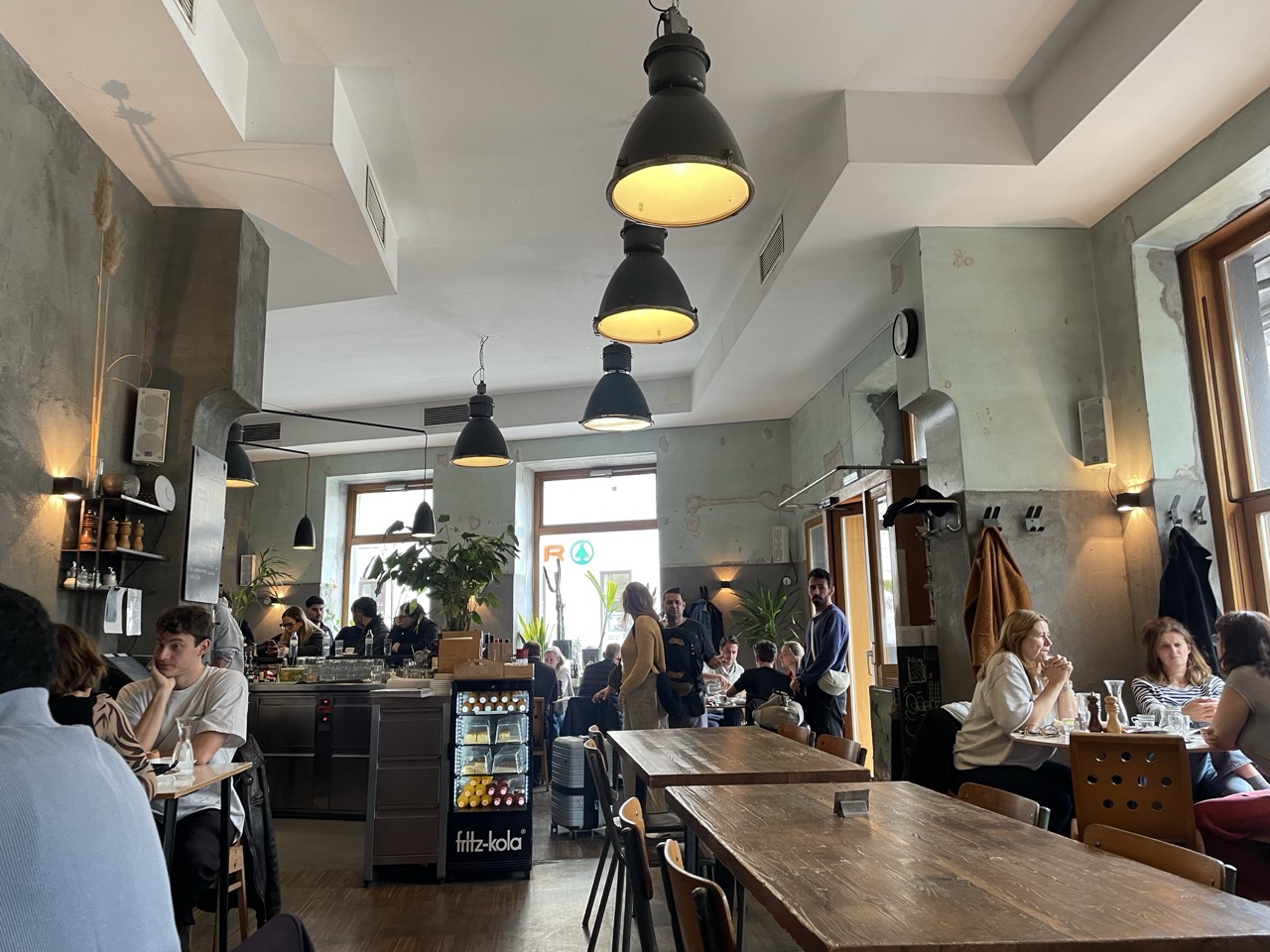
Restaurants and cafés can change too. Just a few streets away from the main attractions, you are often more likely to find neighbourhood bakeries, supermarkets and restaurants used by people who actually live there.
If there is a good metro or tram connection, you may barely notice the additional distance.
Check the journey, not just the kilometres
The rule only works if those 15 minutes are easy.
A direct three-stop metro ride is very different from two buses followed by an uphill walk. Before booking, check how often public transport runs, how late it operates and how far the stop is from your accommodation.
Also look at the terrain.
Google Maps may show that your hotel is only 800 metres away, but 800 metres in a flat city is very different from 800 metres of steep streets and stairs.
This matters even more when you are carrying luggage.
Think about the journey home at night
Daytime transport is only part of the story.
If you know you will have dinner in the centre and return around 11 p.m., check that route before confirming your booking.
The same applies if you have an early train or airport transfer.
A hotel can have an excellent location during the day and become surprisingly inconvenient once the metro stops running.
Sometimes staying central is still worth it
The 15-minute rule is not about avoiding city centres.
For a very short trip, poor public transport or a destination where evening atmosphere is part of the experience, paying more for a central location can absolutely make sense.
The important thing is to stop assuming that closest automatically means best.
Sometimes paying for location really improves your trip.
Sometimes you are simply paying a lot more to save ten minutes.