Long before a fresh catch could be packed in ice and transported hundreds of kilometres overnight, people along the Adriatic had another problem to solve: what do you do with fish that cannot be eaten the same day? The answer shaped some of the coast’s most distinctive flavours — salt, brine, vinegar, smoke and sun.
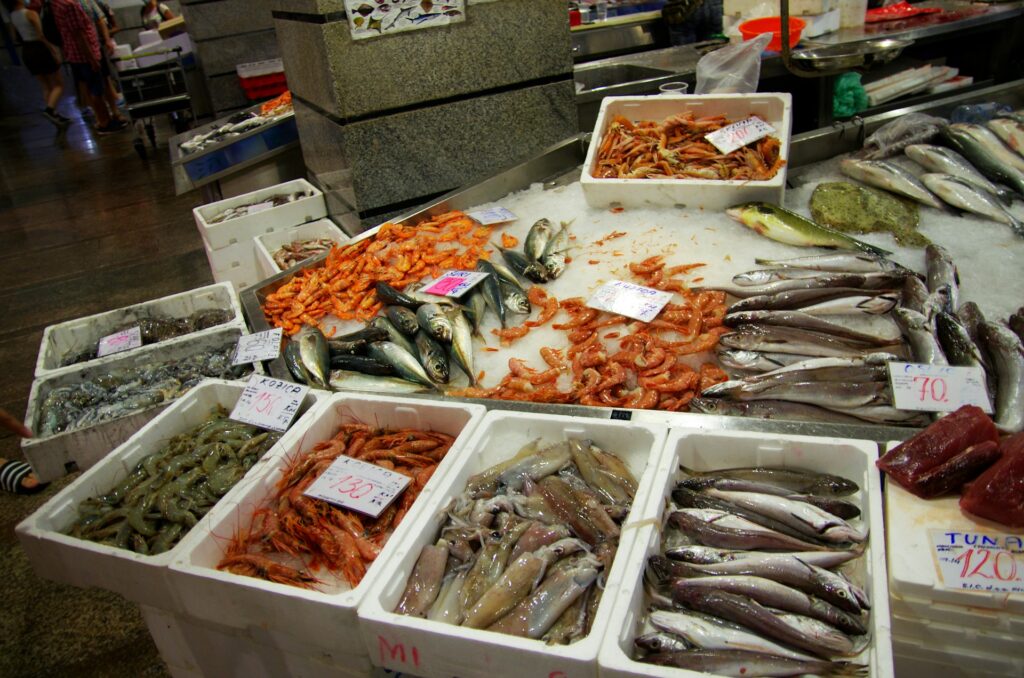
Walk through a Croatian fish market today and freshness is everything. Clear eyes, firm flesh and fish that seems to have left the sea only hours earlier are still signs people look for.
But for generations of coastal families, fishermen and island communities, catching fish was only half the story. A large catch could not simply be placed in a refrigerator until tomorrow. What was not cooked immediately had to be preserved.
The traditional Adriatic kitchen developed several answers: salting, brining, marinating, drying and smoking. The old culinary material collected in Navigaj, lovi, parićaj treats all of these as distinct ways of working with fish, alongside cooking, grilling and making brodet.
Many of those techniques survive today not because we still need them to keep fish through winter, but because somewhere along the way preservation became flavour.
In this story
Salt was the simplest preservation tool
One of the best examples is the humble sardine.
Fresh sardines are still one of the simplest pleasures of the Adriatic, particularly when grilled and served with little more than olive oil. But salted sardines belong to an entirely different tradition.
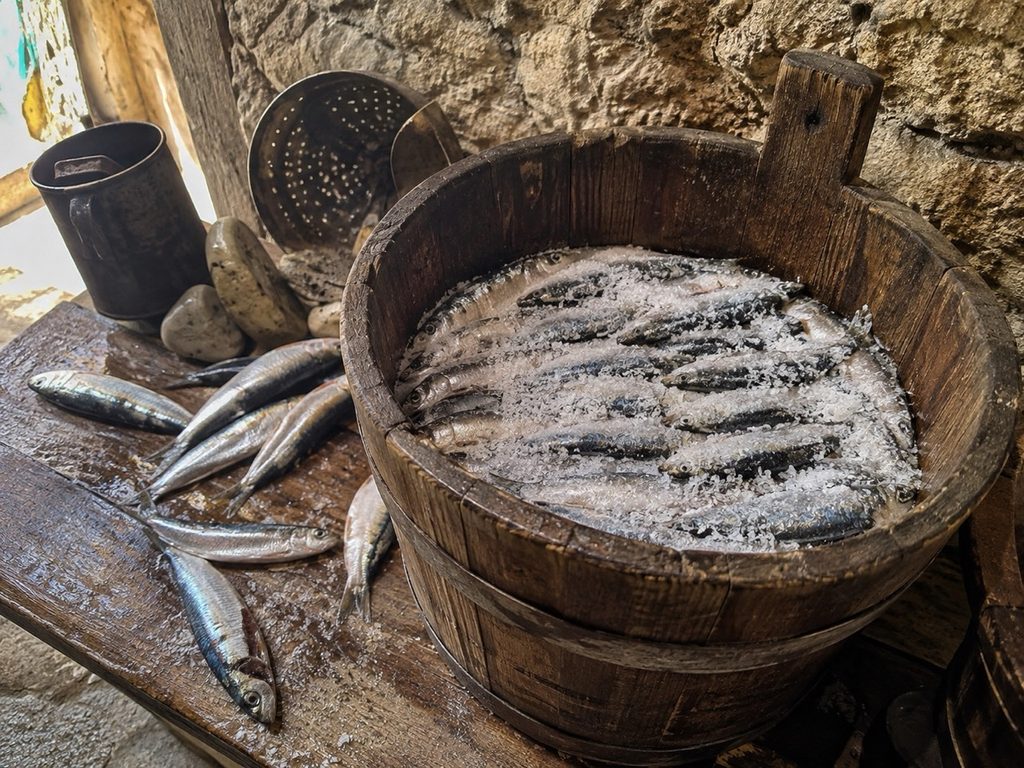
The process described in old coastal cooking records was slow and surprisingly precise. Sardines were traditionally arranged tightly in layers inside wooden containers, their bellies facing the outer wall. Each layer was covered with sea salt before another layer of fish was added. A weighted lid pressed everything down while salt gradually drew liquid from the fish.
It did not happen overnight.
After several weeks, the liquid created by the fish and salt formed a natural brine, or salamura. The surface needed to be cleaned periodically and the fish remained submerged while it matured.
The document describes a process lasting around 105 days before the sardines developed their characteristic colour and flavour.
That means something we now see as a simple plate of salted sardines was once the result of months of patience.
Salted sardines became an ingredient, not just preserved fish
Preservation also changed how the fish was used.
Once salted, sardines could become part of sauces and cold dishes rather than simply being eaten as fish on their own. The book contains several preparations where salted sardines are combined with olive oil, vinegar, eggs, parsley, garlic, mustard or capers to create intensely flavoured sauces for other fish.
It is a good example of what happens when necessity turns into cuisine.
The original purpose may have been to keep the catch edible for much longer, but the concentrated salty flavour eventually became desirable in its own right.
Even today, a small amount of salted fish can transform a sauce in a way a fresh fillet simply cannot.
Vinegar offered another solution
Not every fish was preserved for months.
Another important Adriatic tradition was marinating fish in vinegar, often after frying it first.
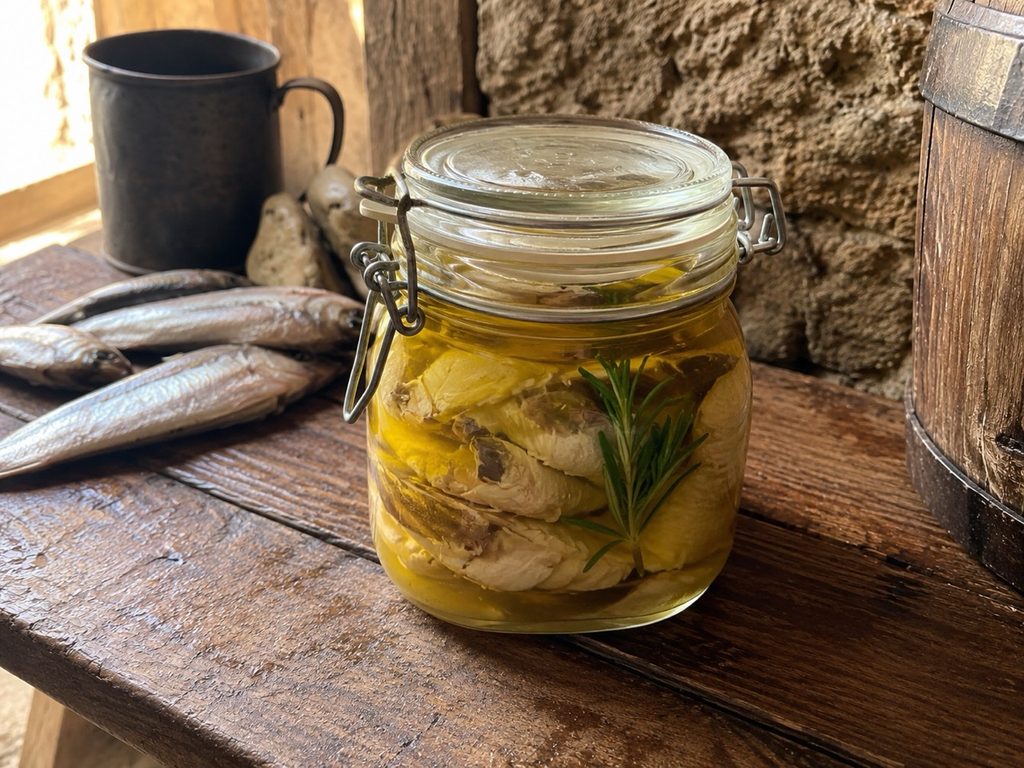
The principle was simple: cooked fish was covered with an acidic mixture containing ingredients such as vinegar, olive oil, onion, garlic, rosemary, parsley or pepper and then left to rest.
One traditional preparation in the book places cleaned sardines in a non-metal container before covering them with hot vinegar in which onion, bay leaf, salt and pepper have been cooked. The fish is then left for at least two days.
Other preparations begin by frying sardines before pouring a cooked mixture of olive oil, vinegar, garlic and herbs over them.
The important part was time.
Instead of eating the fish straight from the pan, it was allowed to sit and absorb the acidity and aromatics. The result was a dish that tasted completely different the following day.
This is where dishes like savor make sense
If you travel along the Adriatic, particularly in Dalmatia, you may encounter preparations based on the same basic idea: fried fish preserved or rested in an acidic marinade with onion and aromatics.
Today we can describe these as traditional dishes.
Historically, there was also a practical logic behind them.
Vinegar, salt and cooking offered a way of extending the useful life of an abundant catch. Small oily fish such as sardines and mackerel were particularly suited to preparations that became even more flavourful after sitting in the marinade.
The book even notes a simple sardine preparation using oil and lemon that could remain usable for several days.
What began as preservation created a preference for fish that was intentionally eaten later rather than immediately.
Fish could also be dried
Removing moisture is one of humanity’s oldest ways of preserving food, and fish was no exception.
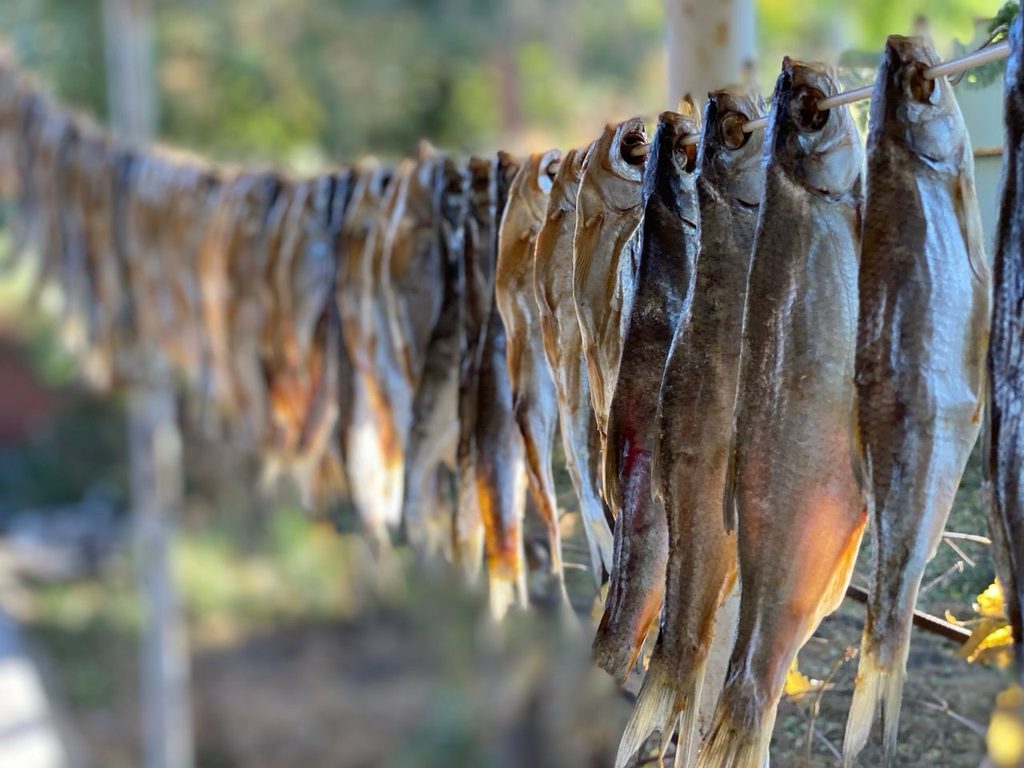
Drying allowed part of the catch to survive far beyond the day it came out of the water. The book treats dried fish as a category of its own and includes dishes made with dried ray, eel and other species alongside the much better-known dried cod tradition.
Drying changes fish dramatically.
The flesh becomes firmer, flavours concentrate and the fish generally needs to be soaked or cooked before eating. The result is no longer an imitation of fresh fish; it becomes a completely different ingredient.
This is one reason older coastal recipes can look so different from contemporary restaurant menus.
They were designed around what people actually had available throughout the year.
Smoke added another layer of preservation — and flavour
Smoking was another technique used for both sea and freshwater fish.
The source distinguishes between hot and cold smoking. Hot-smoked fish was intended for relatively immediate consumption, while cold smoking was described as a method for much longer preservation. It also notes that many species could be smoked, including eel, mackerel, sea bass, bonito and tuna.
Even the choice of wood mattered.
Hard woods such as beech, oak, ash and maple were preferred, while softer resinous wood could give fish an unpleasantly bitter taste and dark colour. Different woods could also affect the final colour of the smoked fish.
Again, the preservation technique became part of the flavour.
Today we smoke food because we like the taste.
Originally, taste and survival were much more closely connected.
The best fish was still the fish eaten immediately
None of this means coastal communities preferred preserved fish to fresh fish.
Quite the opposite.
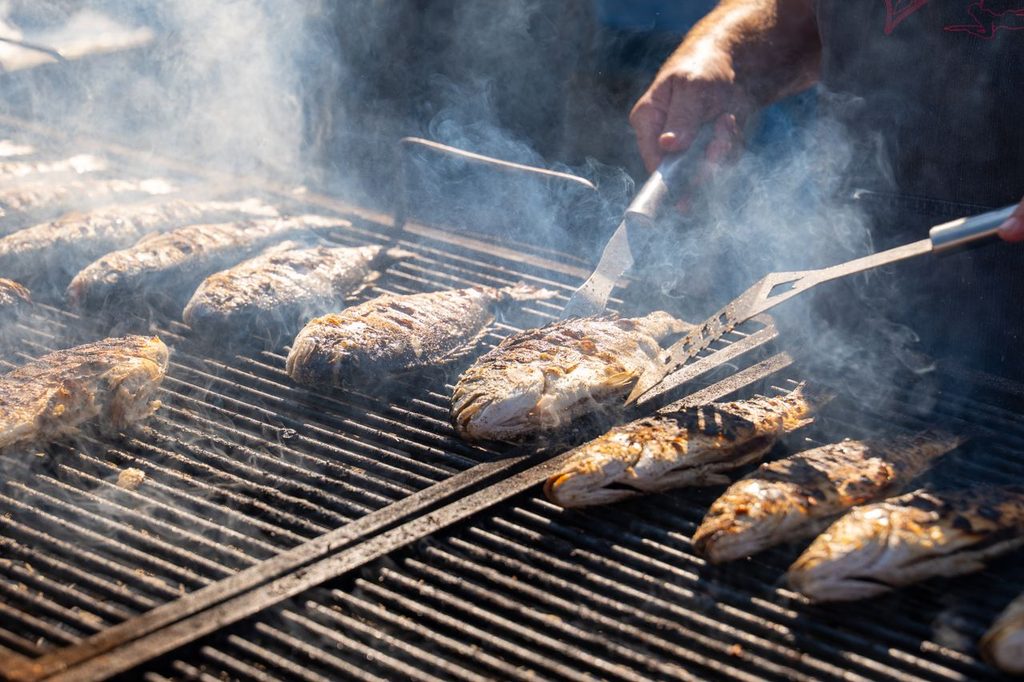
The same culinary tradition repeatedly emphasises the importance of shortening the journey between the peškarija, or fish market, and the table. It describes freshness as the secret behind good fish cooking and recalls how restaurants were traditionally located close to fish markets or the boats bringing the catch ashore.
Preservation solved a different problem.
When the sea provided more than could be eaten that day, nothing valuable needed to be wasted.
The fish could be salted, dried, smoked or placed in vinegar and transformed into food for another week, another month or another season.
The small fish mattered most
There is another interesting lesson hidden in these traditions.
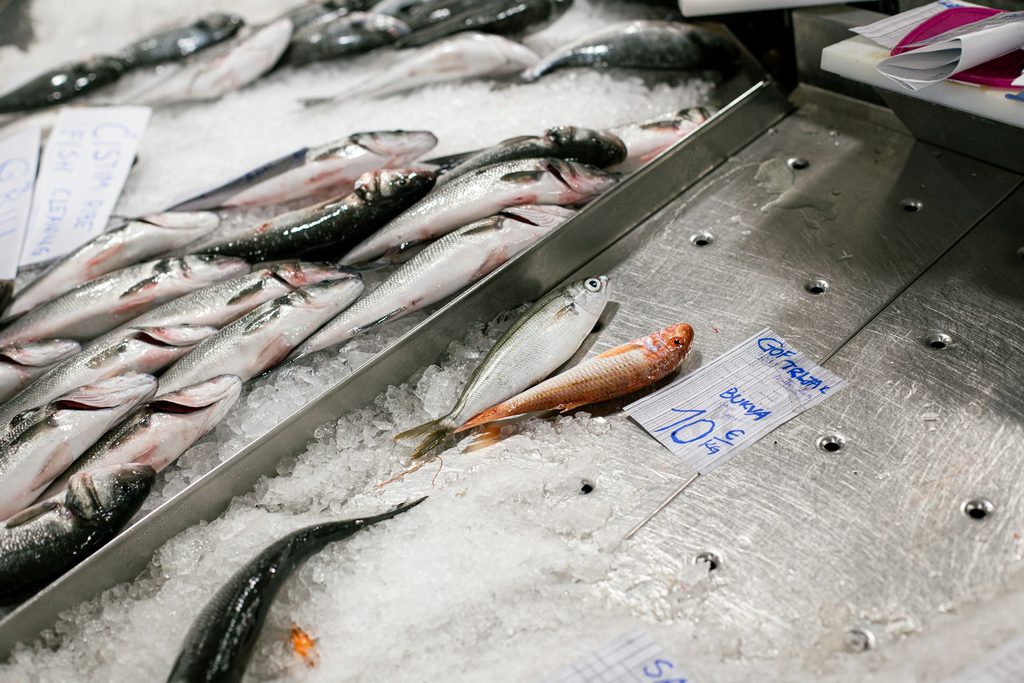
Modern coastal restaurant menus often revolve around a relatively small group of prestigious fish: sea bass, sea bream, dentex, scorpionfish and similar species.
Traditional fishing kitchens were far less selective.
The source specifically questions why many restaurants neglect small, ordinary Adriatic fish such as bukva, cipal, kanjac, knez, pirka, špar and ušata, arguing that freshness could matter more than whether a fish belonged to an expensive “first-class” category.
Preservation was part of that mentality.
A fisherman did not only bring home the perfect fish destined for the grill.
The sea provided different species, different sizes and occasionally far more than one household could eat.
The kitchen had to know what to do with all of it.
We still eat the solutions today
Refrigeration removed much of the practical necessity behind these techniques.
Their flavours stayed.
Salted sardines, marinated fish, dried seafood and smoked fish now belong to the culinary identity of the Adriatic rather than simply its food-storage system.
And that is what makes these old methods interesting when we travel.
A plate of marinated sardines in a small coastal konoba is not just another seafood starter. It is connected to a time when the rhythm of the kitchen followed the rhythm of the catch, and when preserving food was part of knowing how to live beside the sea.
The ingredients were simple: fish, sea salt, vinegar, smoke, olive oil and time.
The knowledge was the complicated part.
Mindful Vacation tip
When eating along the Croatian coast, do not look only for grilled sea bass or sea bream.
Ask whether the restaurant has salted sardines, marinated small fish, smoked fish or another preserved local catch.
Some of the most interesting Adriatic seafood traditions were created not around the most expensive fish, but around the question fishermen once had to answer every day:
How do we make sure none of today’s catch goes to waste?