Order a beer almost anywhere in Europe and you will probably be offered a familiar lager, pilsner or wheat beer. But look a little closer and the continent’s beer culture becomes much stranger: raspberry syrup in Berlin, spontaneously fermented beer in Belgium, smoky brews served with meat and old styles that have almost disappeared.
Beer in Europe is far more regional than it first appears. The same drink can change dramatically from one country to another, not only in strength and colour but in the way it is fermented, served and even mixed with other ingredients.
Some traditions sound unusual until you understand where they come from.
And those are often the ones we remember.
In this story
In Berlin, wheat beer can come with raspberry syrup
One of the easiest unusual beer traditions to try is Berliner Weisse.
Traditional wheat beers are generally lighter in colour than those made entirely with barley, and the booklet notes that Berliner Weisse is among the best-known European wheat beer styles. What makes the Berlin version particularly distinctive is the habit of serving it with flavoured syrup, including raspberry.
At first, beer with raspberry syrup sounds like something invented recently for social media.
It is not.
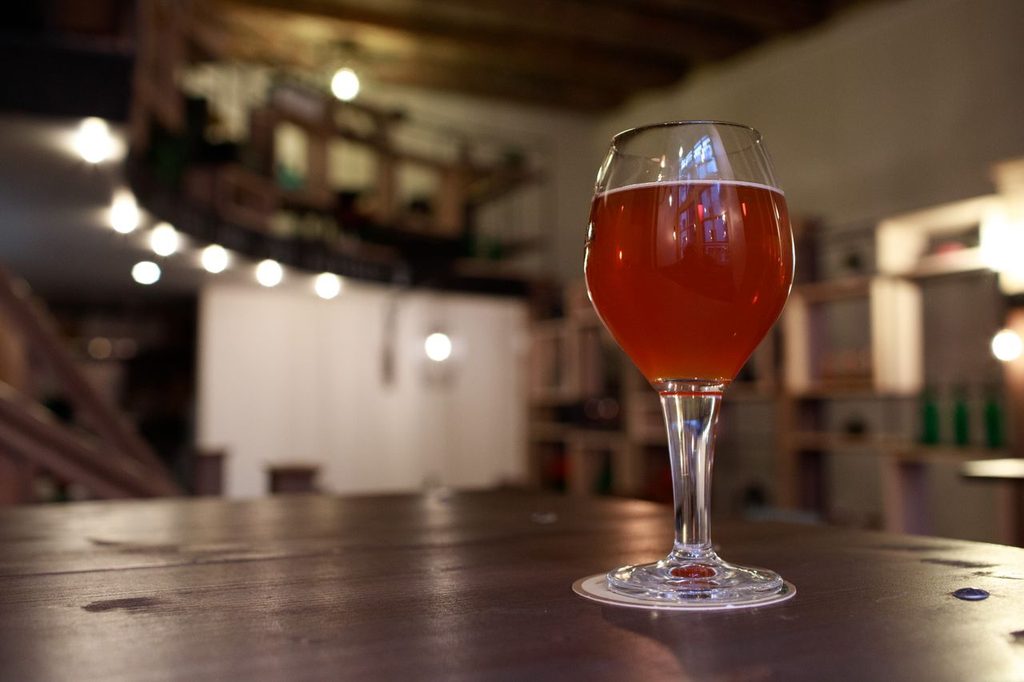
The combination has long existed as part of Berlin beer culture, and the booklet even mentions Weisse mit Schuss — wheat beer served with a shot of fruit syrup — as one of the beer mixtures traditionally found in European bars.
The result is very different from the bitterness many people associate with beer. Berliner Weisse itself is tart, while the syrup adds sweetness and fruit.
If we were ordering one for the first time, we would not expect it to taste like a conventional lager at all.
That is exactly the point.
Belgium has beers that ferment without cultivated yeast
Belgium takes unusual beer much further.
Some traditional Belgian beers are produced through spontaneous fermentation, meaning the brewer does not simply add a controlled culture of brewing yeast in the conventional way.
The booklet describes these as “wild” or raw beers associated particularly with the Payottenland area and the valley of the Senne. Among them are styles such as Lambic, along with historically related beers such as Faro and Gueuze.
These beers can taste dramatically different from standard lager: more acidic, complex and sometimes almost wine-like.
For travellers who normally say they do not like beer, this is one of the categories we would actually recommend trying.
It may not taste like the beer you think you dislike.
Then Belgium adds cherries
One of the most famous developments from the Lambic tradition is Kriek.
The booklet describes Krieken-Lambic as Lambic beer made with dark, relatively bitter cherries, with the beer ageing for periods ranging from one to several years.
That combination of fermentation and fruit creates something that sits in an unusual place between beer, cider and wine in terms of how many first-time drinkers experience it.
It is fruity, but that does not necessarily mean sweet.
Good examples can retain plenty of acidity and complexity.
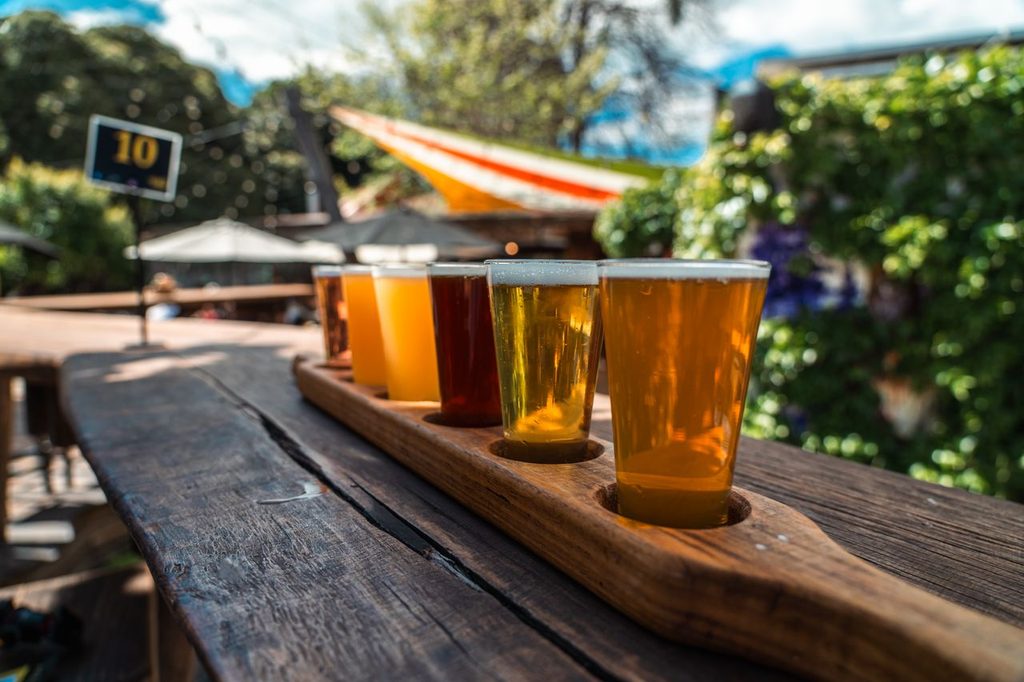
This is also where beer starts becoming much more interesting with food. The booklet specifically suggests cherry beer with cherry-based desserts and notes that Belgian fruit and wheat beers can work particularly well with fruit desserts.
Smoked beer makes much more sense when food arrives
Some beers are unusual because of fruit.
Others taste almost like a campfire.
Traditional smoked beer develops its character from malt exposed to smoke, giving it aromas that can remind you of smoked meat, wood or even bacon.
That sounds intense on its own.
Put it beside the right food and it suddenly makes much more sense.
The booklet recommends smoked beer particularly with smoked sausages and cured meat, noting that the similar flavours can amplify one another.
This is the kind of beer we would not necessarily order as our first drink on a hot afternoon.
But with a plate of sausages in a traditional beer hall?
Absolutely.
Some flavours belong to a place and a meal rather than to the drink alone.
Austria once had a popular greenish oat beer
One of the most surprising references in the booklet is an almost forgotten oat beer tradition.
Oats can replace barley in beer production, and the booklet notes that oat beer was once produced more widely in Germany. It also describes a variety that was particularly popular in and around Vienna around 180 years ago: a greenish-yellow, highly foaming beer known as Hornerbier, associated with Horn in Lower Austria.
This is exactly the type of travel history we love.
Beer styles do not simply appear and remain unchanged forever. Some become global standards. Others disappear as drinking habits, technology and commercial brewing change.
The beer menu you see in Vienna today is only one chapter of a much longer story.
Unfiltered beer was once simply normal beer
Today, an unfiltered beer often sounds artisanal.
Historically, it was simply how beer looked.
The booklet describes Zwickelbier as naturally cloudy, unfiltered beer containing some yeast and explains that beers only became routinely filtered from the beginning of the 20th century. Some breweries later returned to these older techniques and began producing traditional-style Zwickel beers again.
This explains why cloudy beer should not automatically be interpreted as unfinished or inferior.
Sometimes the cloudiness is part of the style.
When travelling in Germany or Austria, we would actively look for one on tap, particularly at a smaller brewery or traditional beer hall.
There is also a beer specifically associated with Oktoberfest
Oktoberfest is so closely associated with beer that it is easy to forget the beer itself has its own traditions.
The booklet refers to Wies’n beer as beer specially prepared for large folk festivals such as Munich’s Oktoberfest.
That matters because drinking beer at Oktoberfest is not simply a matter of ordering whatever lager happens to be available.
The beer is part of the event itself.
And this is a good example of why we prefer trying local beer in context whenever possible.
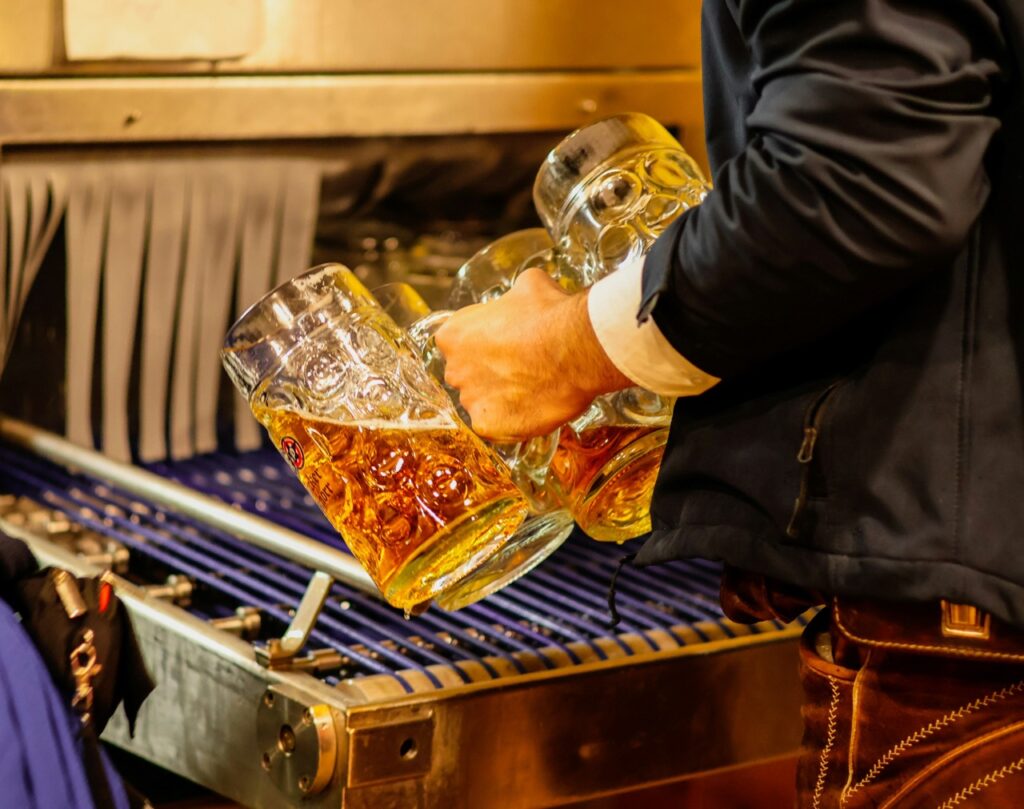
A bottle bought in a supermarket may technically contain a regional style, but drinking it in the place, season and setting where the tradition developed adds another layer to the experience.
Beer cocktails existed long before craft beer bars
Mixing beer with other drinks is not a new invention either.
The booklet contains an entire section dedicated to beer mixtures, describing combinations with fruit juices, soft drinks, mineral water, spirits and even other types of beer.
Some combinations sound surprisingly modern.
Others sound slightly alarming.
But they show that the idea of beer as a fixed drink that should never be altered is much newer than many people assume.
Across Europe, beer has long been adapted to local tastes, seasons and drinking habits.
Even the glass changes the experience
The strange traditions do not stop with what is inside the glass.
Different beer styles have traditionally been served in very different vessels. The booklet lists tulip-shaped glasses, goblets, tall wheat-beer glasses, mugs and other forms, noting that different beer styles benefit from different shapes.
A tall glass helps showcase the appearance and foam of wheat beer, while heavier beers may appear in a goblet.
This is something we have started noticing more while travelling.
When a bar serves every beer in exactly the same generic pint glass, part of the ritual disappears.
What should you actually try?
If you want to move beyond standard lager without turning your holiday into a beer course, we would keep it simple.
In Berlin, try Berliner Weisse with syrup at least once.
In Belgium, look for Lambic, Gueuze or Kriek.
In Germany or Austria, order an unfiltered Zwickel if you find one fresh on tap.
If a traditional beer hall offers a smoked beer alongside smoked meat or sausages, try the combination rather than judging the beer after one sip on its own.
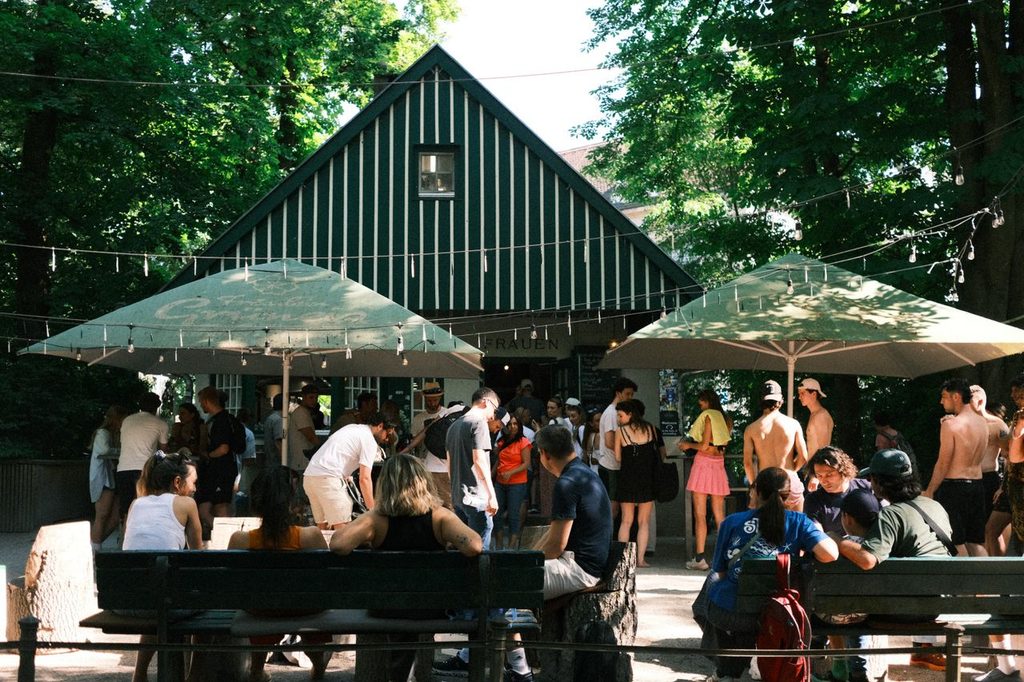
And when a bar offers a local style you have never heard of, ask what makes it different.
That question often leads to a much better travel memory than ordering the same beer you already know from home.
Beer tells you more about a place than we usually realise
Wine gets much of the romantic language in travel.
We visit vineyards, talk about terroir and search for regional grape varieties.
Beer deserves some of that curiosity too.
Its ingredients, fermentation methods, serving traditions and food pairings have been shaped by geography and local culture just as strongly.
A tart beer with raspberry syrup in Berlin, a spontaneously fermented Lambic near Brussels and an unfiltered lager in a small Austrian beer hall may all technically belong to the same category of drink.
But they do not tell the same story.
And that is precisely why we would order them.