If there is one food that represents Italy better than almost anything else, it is pasta. It looks simple: flour and water, sometimes eggs, combined with a sauce. But once you start travelling through Italy, you quickly realise that pasta is much more than a basic dish. Every region has its own shapes, sauces and rules, and Italians take those combinations surprisingly seriously.
One of the biggest things we learned while travelling in Italy is that many of the things we do with pasta at home would make an Italian cook shake their head. And in Genoa, inside a tiny traditional pasta shop, we discovered one mistake that many of us make without even thinking about it.
In this story
Pasta shape actually matters
Pasta shapes are not simply decorative. They are designed to work with specific types of sauces.
Long, thin pasta such as spaghetti works particularly well with lighter sauces based on olive oil or tomato. Short and hollow shapes such as penne and rigatoni are better at holding thicker sauces, while twisted shapes catch ingredients in their curves.
This explains why certain combinations appear again and again in different parts of Italy. In Liguria, for example, you will often find trofie with pesto, while Bologna is famous for tagliatelle al ragù rather than the spaghetti Bolognese commonly served outside Italy.
Once you understand this basic idea, Italian pasta starts to make much more sense.
Italy has its own unwritten pasta rules
Some of Italy’s most famous pasta dishes are also among the most frequently changed outside the country.
Traditional carbonara, for example, does not need cream. Its creamy texture comes from eggs, cheese, guanciale and pasta water. Cacio e pepe is built around just a few ingredients, mainly cheese and black pepper, while amatriciana combines tomato with cured pork.
The ingredients also change as you travel through Italy. Northern regions traditionally use more butter and cheese, while southern Italian cooking relies heavily on tomatoes, olive oil and seafood.
And then there is Liguria, where basil pesto is one of the region’s most recognisable flavours.
What Genoa taught us about pasta
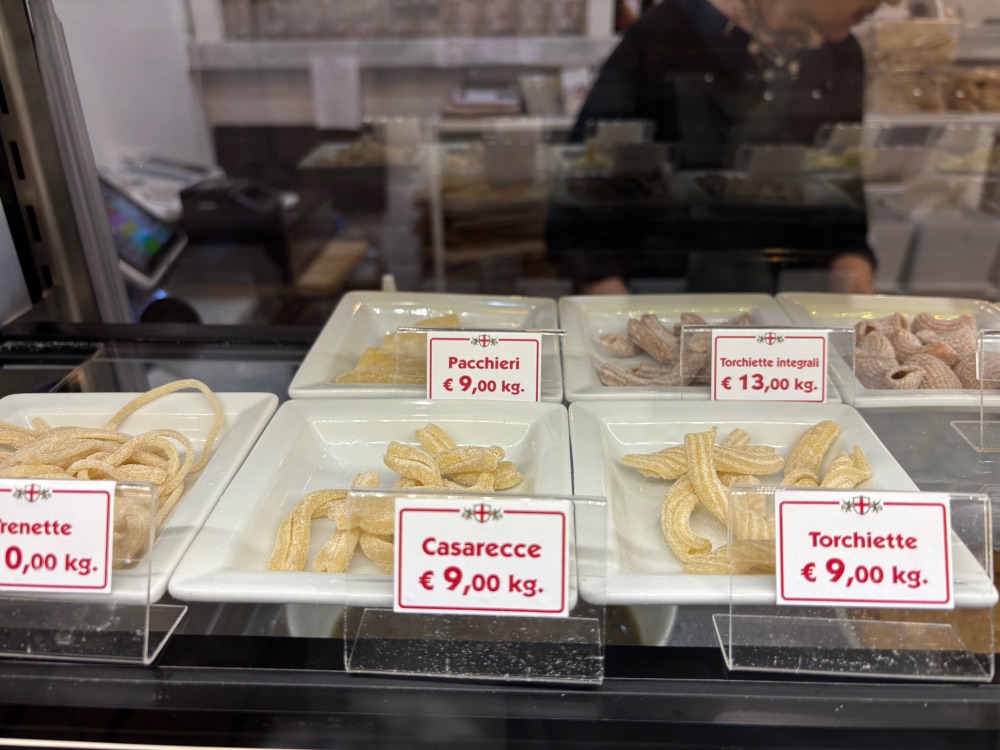
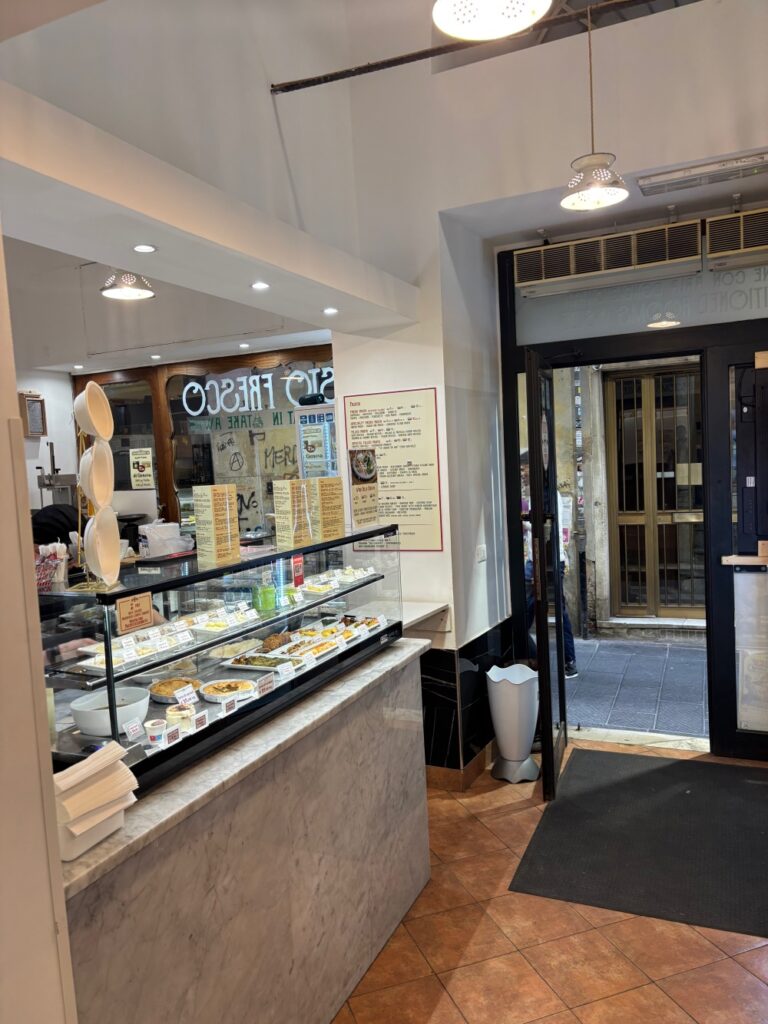
During a visit to Genoa, we stopped at Pastificio Artigianale di Canneto, a small traditional pasta shop that would be easy to walk past if you did not know it was there.
Inside, fresh pasta was being prepared by hand. Watching the dough being rolled and shaped looked effortless, although it was obvious that this kind of confidence only comes from doing the same thing thousands of times.
While we watched, the woman preparing the pasta asked us a simple question: do you put olive oil into the water when cooking pasta?
We said yes.
She laughed.
According to her, that was one of the first mistakes we should stop making.
The reason is simple: oil can make it harder for the sauce to properly coat the pasta. Instead, the important ingredient is the starchy cooking water left behind after boiling the pasta.
That cloudy water helps the sauce and pasta come together into one dish rather than feeling like pasta with sauce simply poured over the top.
It is such a small detail, but it can completely change the final result.
Author Tip
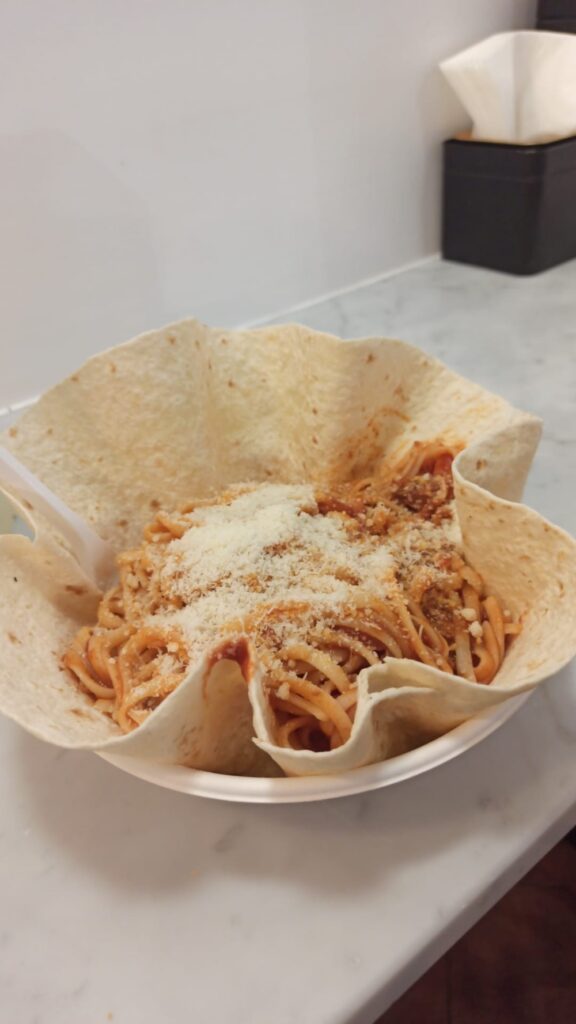
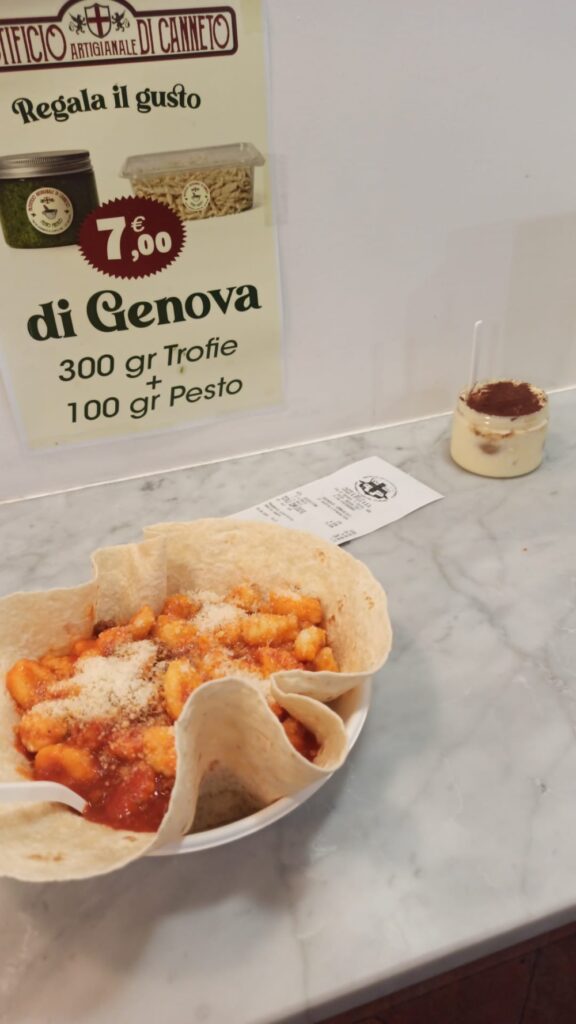
Since that visit to Genoa, I always save a cup of pasta water before draining the pasta. Add a small amount to the sauce and finish cooking the pasta directly in the pan for the final minute or two. It is one of the simplest changes you can make at home, and it makes sauces noticeably smoother and better connected to the pasta.
Another important rule: don’t rush the dough
The second lesson was even simpler.
Fresh pasta dough needs time to rest.
As the woman in the pasta shop explained, rushing the dough changes the final texture. Watching her prepare fresh pasta made it clear that Italian cooking is often less about complicated techniques and more about respecting a few basic steps.
When we finally tasted the freshly prepared pasta, the difference was obvious. The texture was better, the flavour was cleaner and the balance between pasta and sauce felt completely different from many heavier versions we were used to.
That is probably one of the biggest lessons of Italian cooking: simple food leaves very little room to hide mistakes.
The most common mistakes when cooking pasta
You do not need professional equipment to make better pasta at home. Avoiding a few common mistakes already makes a noticeable difference.
Don’t add oil to the cooking water if you want the sauce to coat the pasta properly. Salt the water, but don’t rinse the pasta after cooking. Save some of the starchy pasta water and use it to adjust your sauce.
It is also worth cooking the pasta until it is al dente, rather than letting it become completely soft. If possible, finish the pasta directly in the pan with the sauce for the final minute of cooking.
And perhaps most importantly, choose a pasta shape that actually suits the sauce you are preparing.
How to find good pasta in Italy
Finding excellent pasta in Italy does not necessarily mean finding the most expensive restaurant.
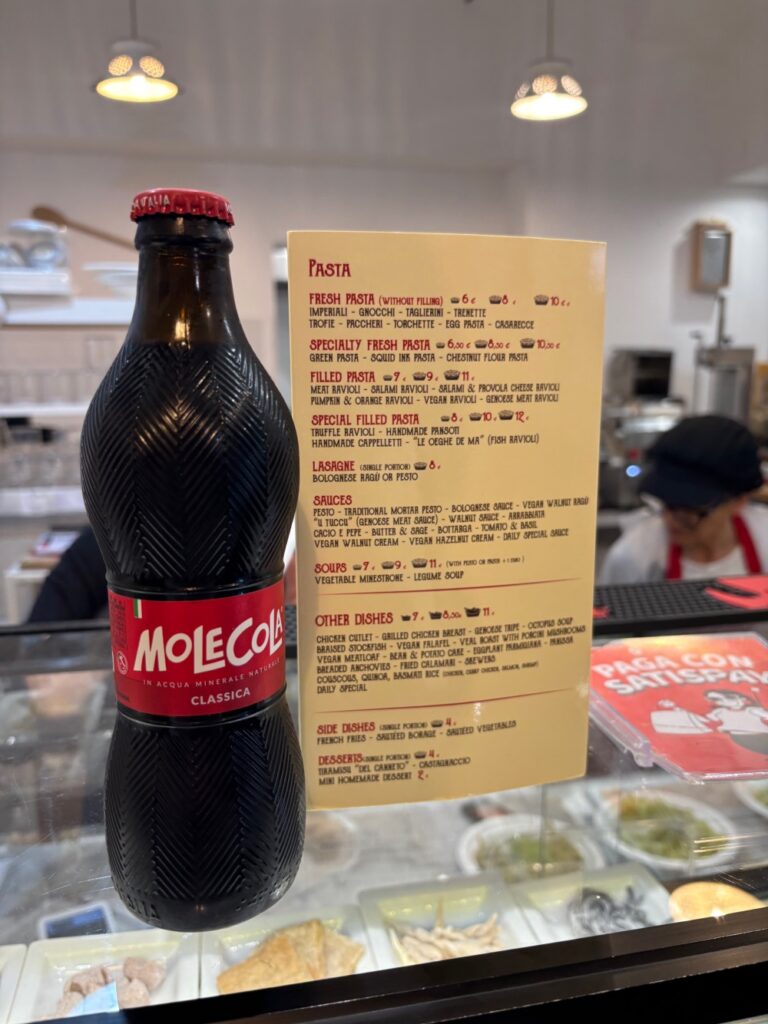
In fact, some of the best meals are often found in small trattorias and family-run places that specialise in the food of their region. Look for short menus, seasonal dishes and local pasta shapes rather than restaurants offering every famous Italian dish on one enormous menu.
Regional specialities are usually a good sign. In Genoa, look for dishes such as trofie al pesto. In Bologna, try tagliatelle al ragù. In Rome, dishes such as carbonara, cacio e pepe and amatriciana are part of the local culinary identity.
A menu that reflects where you actually are is usually much more interesting than one designed to offer the same dishes everywhere in Italy.
Author Tip
One of my personal rules in Italy is to avoid choosing a restaurant only because it is directly beside a major attraction. I usually walk a few streets away, check whether the menu includes regional dishes and look for places where local people are actually eating. A short menu is often more appealing to me than a huge one with dozens of unrelated dishes.
Why Italian pasta tastes different
There is no single secret ingredient that makes pasta in Italy better.
It is usually the combination of small things: choosing the right pasta for the sauce, using good ingredients, cooking it correctly and not adding unnecessary elements.
Italian cooking often looks almost too simple when you read the recipe. But that simplicity is exactly why technique matters.
A plate of pasta may contain only a handful of ingredients, which means every one of those ingredients has to work.
And once you start paying attention to the details, you begin to understand why pasta in Italy is not simply food. It reflects local traditions, ingredients and identities that can change completely from one region to the next.
So next time you cook pasta, skip the oil in the water, save some of that cloudy pasta water and give the sauce and pasta a minute together in the pan.
It might be the closest you get to bringing a small lesson from Genoa into your own kitchen.