Travelling by train through Europe is slower than flying, but that is often exactly what makes it more interesting. Instead of disappearing into an airport and arriving a few hours later in another country, you can watch the landscape gradually change outside your window. Croatia turns into Slovenia, the Alps appear in the distance, small towns pass by and the journey itself becomes part of the holiday.
Starting from Zagreb requires a little more planning than travelling from major railway hubs such as Vienna or Munich, but there are still plenty of European cities that can be reached directly or with relatively simple connections. Once you reach Austria, Germany, Italy or Switzerland, the European rail network becomes even easier to navigate.
Here are some of the best places to visit by train from Zagreb.
In this story
Ljubljana: the easiest train trip from Zagreb
Ljubljana is probably the simplest introduction to international train travel from Zagreb. The journey takes around two and a half hours on direct services, making it an easy choice for a weekend away.
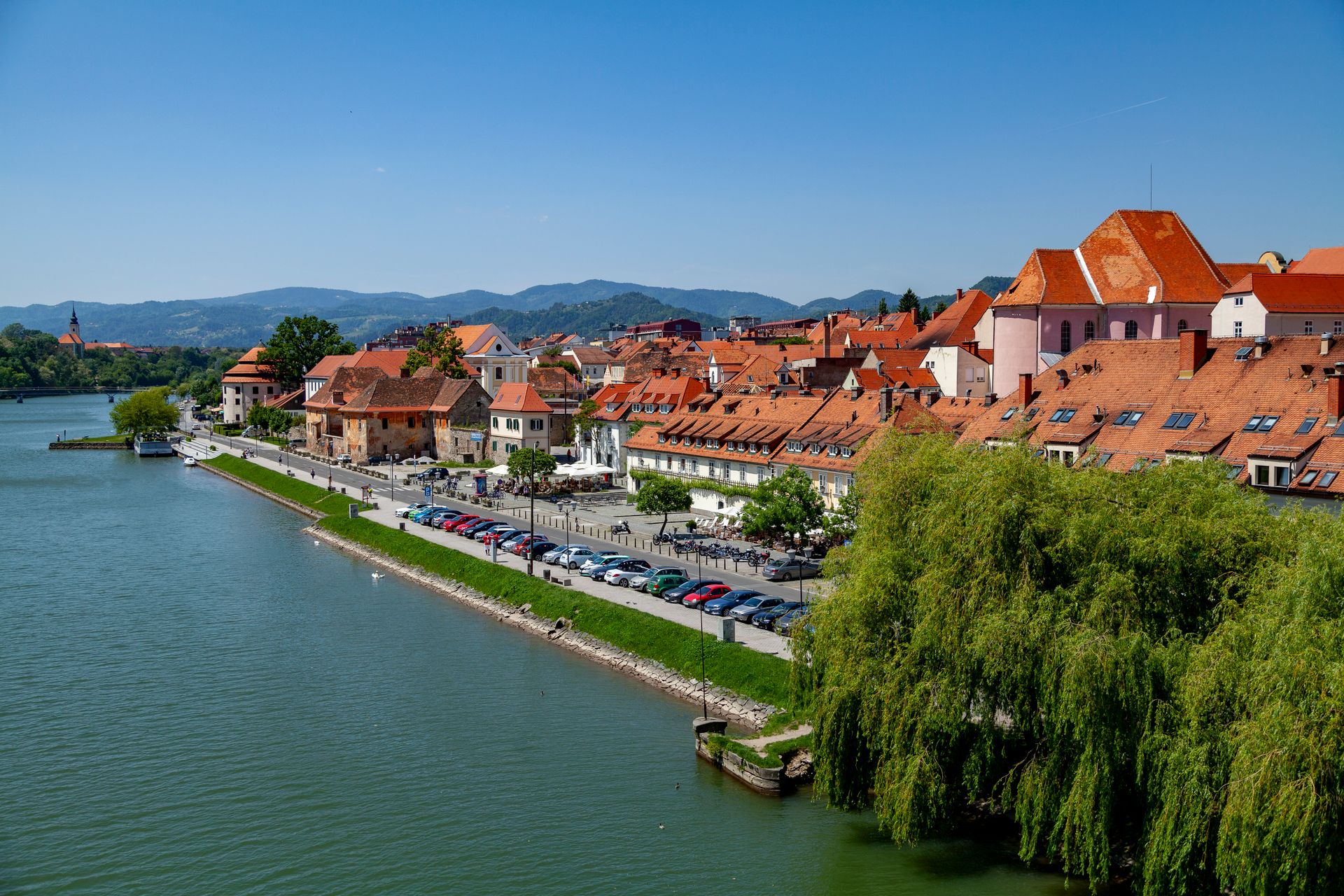
The Slovenian capital is compact, relaxed and very easy to explore on foot. Walk along the Ljubljanica River, stop at one of the cafés in the centre, visit the Central Market and head up towards Ljubljana Castle. You do not need a complicated itinerary here, which is exactly why Ljubljana works so well for a short, slow city break.
Trieste: coffee, architecture and the Adriatic
Trieste is a great next step if you want to continue west from Ljubljana. The city feels different from most classic Italian destinations, with a mix of Italian, Central European and Adriatic influences.
Its grand architecture, historic cafés and waterfront make it perfect for travellers who enjoy atmosphere more than ticking off a long list of sights. Spend some time around Piazza Unità d’Italia, walk along the sea and explore the smaller streets behind the main square.
Author Tip
I would stay at least one night in Trieste instead of treating it only as a stop on the way to Italy. The city feels much more relaxed in the evening, especially around the waterfront. Find a place for an aperitivo, walk by the sea around sunset and enjoy the slower atmosphere after many day visitors have left.
Vienna: one of Europe’s great railway cities
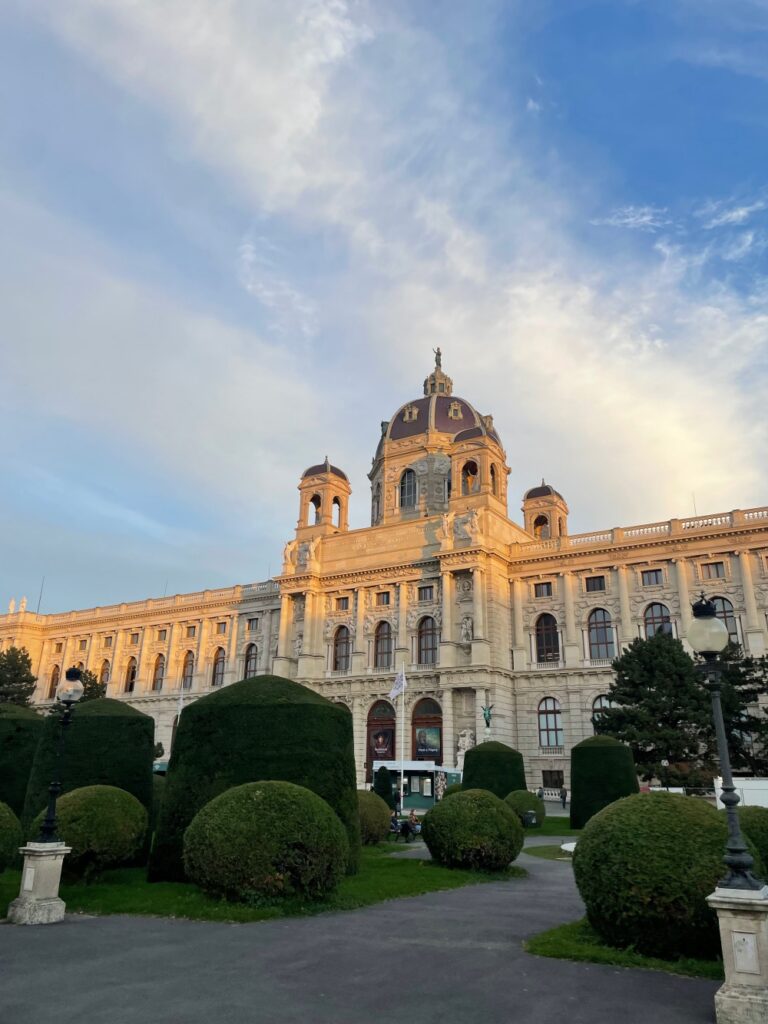
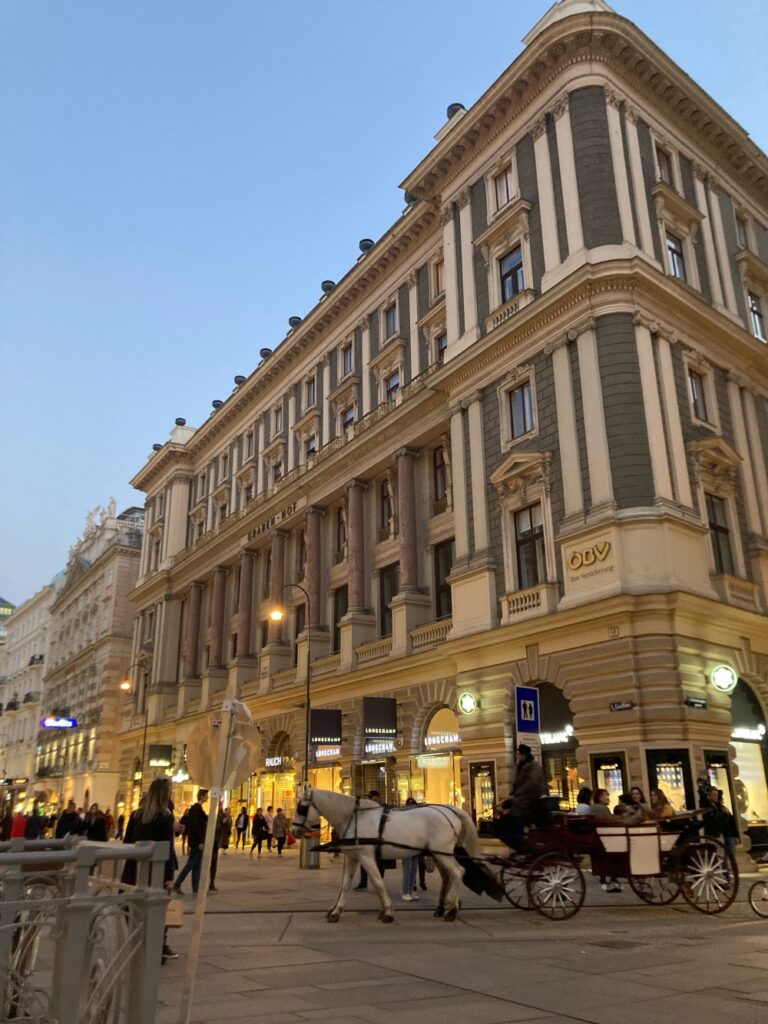
Vienna is one of the best cities to reach by train because arriving at Wien Hauptbahnhof immediately connects you to one of the strongest rail networks in Europe. From there, you can continue towards Germany, Switzerland, Czechia, Hungary and many other destinations.
Vienna itself is also ideal for a train-based city break. The public transport system is excellent, the centre is easy to explore and there is no real need for a car. Instead of trying to see everything in one day, spend some time around the historic centre, visit one or two museums and leave room for a long coffee break.
Budapest: a classic Central European city break
Budapest is another natural option from Zagreb and works especially well for a long weekend. The city has plenty of famous sights, from the Parliament building and Buda Castle to the Danube and its thermal baths, but it is also a place where simply walking around can be part of the experience.
The city is large enough to keep you busy for several days, but still easy to explore using public transport. If you are planning a longer rail journey through Central Europe, Budapest also makes a useful stop before continuing towards Austria, Slovakia or further east.
Venice: when the journey becomes part of the destination
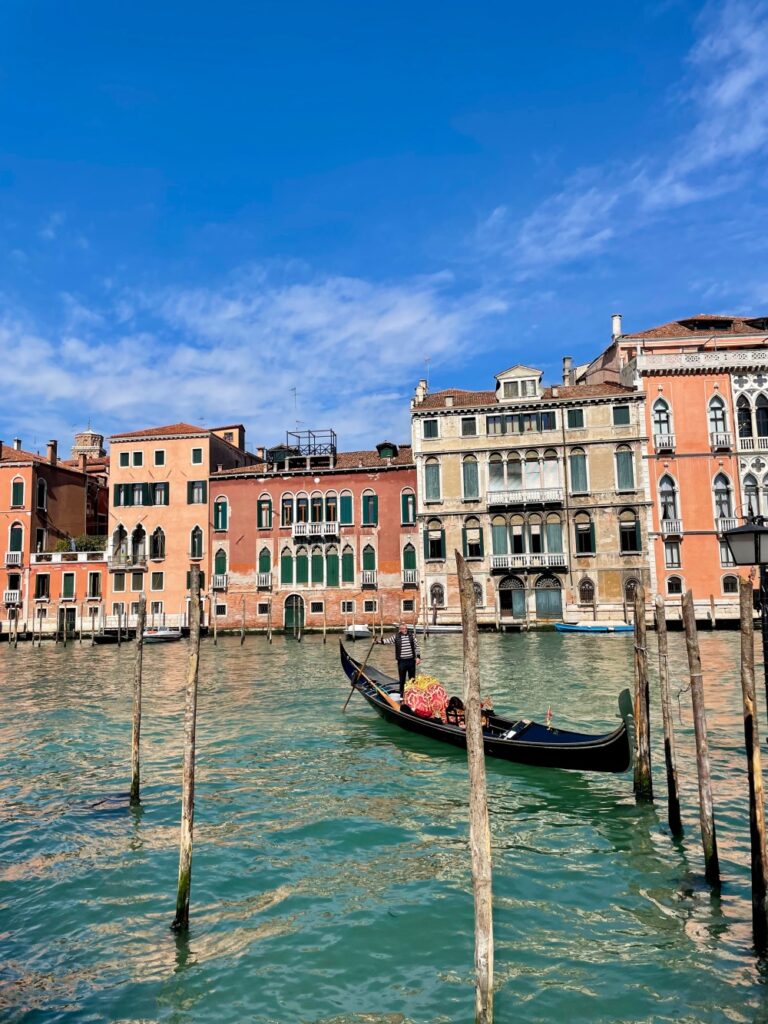
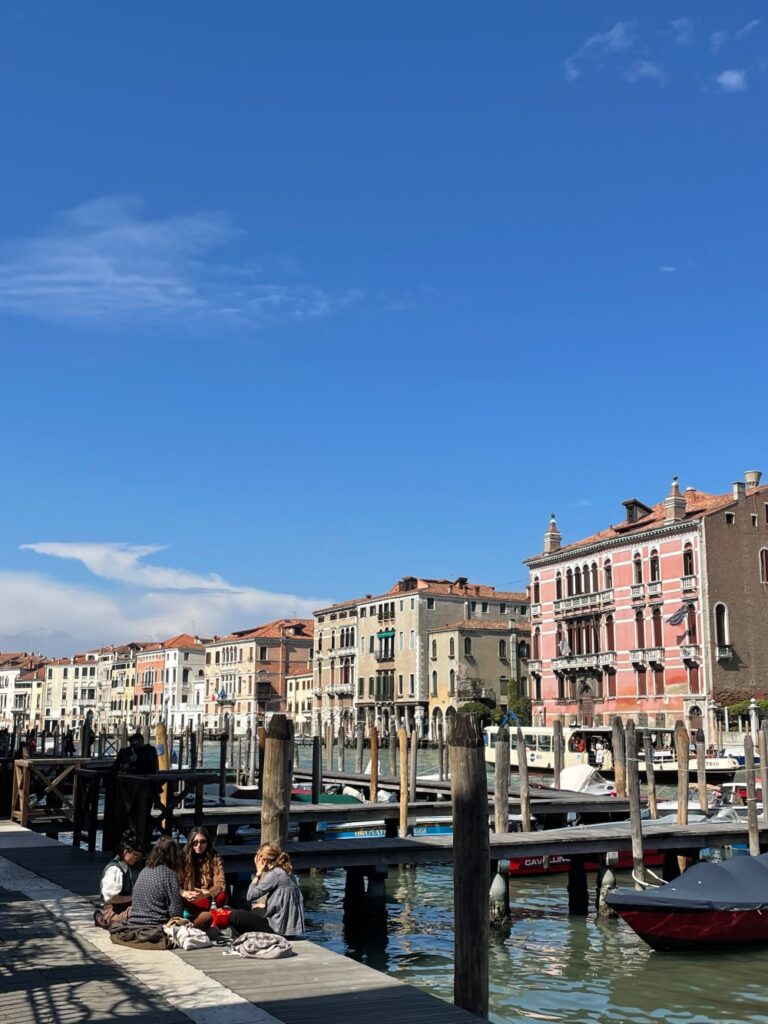
Travelling from Zagreb to Venice takes longer than flying, but this is one of those routes where the journey can actually become part of the experience. Depending on the connection, the route can take you through Slovenia or Austria before continuing into northern Italy.
The best moment comes when you arrive at Venezia Santa Lucia station. You step outside the station and the Grand Canal is directly in front of you. There is no airport transfer and no long journey into the city centre. You simply arrive in Venice.
Milan, Genoa and Rome: continuing through Italy
Once you reach Italy, travelling by train becomes much easier. The country’s high-speed rail network connects most major cities, which makes it possible to build a longer trip without needing domestic flights.
From Venice or Milan, you can continue towards Florence and Rome, or travel west towards Genoa and the Ligurian coast. Milan is particularly useful as a rail hub, while Genoa is a good choice if you want a city with a more local atmosphere and easy access to the sea.
Rome is further away, but high-speed trains make longer distances surprisingly manageable. This is where rail travel starts to feel less like a simple journey from A to B and more like a way of connecting several destinations into one trip.
Salzburg: travel into the Alps
The route towards Salzburg is one of the most scenic options from Zagreb. As you travel north, the landscape gradually becomes more Alpine, with mountains, valleys and smaller Austrian towns appearing along the way.
Salzburg itself is compact and easy to explore on foot. The historic centre can be busy during the day, so staying overnight is a good idea if you want to experience a quieter version of the city. It is also a useful base for exploring the surrounding lakes and mountains before continuing further into Austria or Germany.
Zurich: take the overnight train from Zagreb
Zurich is one of the most interesting destinations to reach from Zagreb because overnight connections allow you to travel while you sleep. You board in the evening, travel through Slovenia and Austria and wake up the next morning in Switzerland.
This type of journey is especially appealing if you want to avoid losing an entire day to travel. Zurich is worth exploring on its own, but it also works as an excellent gateway to the rest of Switzerland, including Lucerne, Bern and the Alpine regions.
Author Tip
If you are taking an overnight train, I recommend booking a couchette or sleeper instead of a regular seat whenever your budget allows it. It makes the journey much more comfortable and can also replace the cost of one hotel night. Keep a small overnight bag with water, a toothbrush, headphones, a power bank and anything else you need until morning so you do not have to unpack your main luggage.
Munich: the gateway to Germany
Munich is one of the most useful destinations if you want to continue travelling through Germany. From here, the German rail network makes it easy to reach cities such as Berlin, Hamburg, Cologne and Frankfurt.
But Munich is more than just a connection point. Spend some time around the historic centre, walk through the Englischer Garten or explore neighbourhoods such as Maxvorstadt and Glockenbachviertel. The city is easy to navigate and works well for both short stays and longer rail itineraries.
Strasbourg: a little further, but worth the journey
Strasbourg requires a longer journey from Zagreb, usually with connections through major rail hubs such as Munich or Zurich, but it is a good example of how far you can travel through Europe without flying.
The city combines French and German influences in its architecture, food and atmosphere. It is also well connected to other parts of France, Germany, Switzerland and Luxembourg, making it a good stop on a longer European rail trip.
Why travel through Europe by train?
Train travel is not always the fastest option, especially when starting from Croatia, but speed is not the only thing that matters. Airports often require travelling outside the city, arriving early for security and waiting for baggage or transfers. Trains usually take you directly from one city centre to another.
There is also something different about seeing the distance between countries. On a train, you notice how the landscape, architecture and language gradually change. You are not simply transported to another destination; you actually experience the journey between the two places.
For travellers who enjoy slow travel, this can be one of the best parts of the trip.
How to plan train travel from Zagreb
The easiest way to plan a European rail journey is to check several railway operators instead of relying on only one booking platform. Start with HŽPP for departures from Croatia, ÖBB for Austrian and international routes, Deutsche Bahn for connections through Germany and Central Europe, and Trenitalia for journeys within Italy.
For longer trips, it is usually worth booking early, especially if you want a sleeper cabin, a couchette or one of the cheaper advance fares. Always check the latest timetable before travelling because international services can change seasonally.
Author Tip
When comparing a train with a flight, I never look only at the advertised travel time. A two-hour flight can easily become a six-hour journey once you include the trip to the airport, arriving early, security, boarding and travelling from the destination airport into the city. On a train, I can work, read, eat or simply watch the landscape, so the travel time feels much more useful.
A different way to experience Europe
Travelling Europe by train from Zagreb takes a little more planning, but it can also completely change the way you experience the continent. Ljubljana suddenly feels very close, the Alps become part of the journey towards Austria and Switzerland, and cities such as Venice, Munich or Zurich become stops along one continuous route rather than separate trips.
The train will not always be cheaper or faster, but sometimes that does not matter. The real advantage is that the journey itself becomes part of the holiday.